
Coke oven gas, COG, contains impurities such as naphthalene, hydrogen sulfide and tar-related components, which may affect downstream process stability, equipment reliability and long-term plant operation.
Naphthalene is one of the most undesirable impurities in coke oven gas. With a melting point of approximately 80.5 °C, naphthalene can easily crystallize in pipelines, instruments and equipment, leading to blockage, fouling and operational problems.
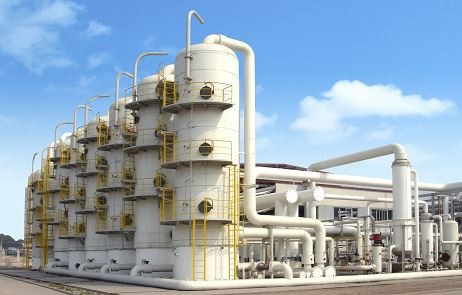
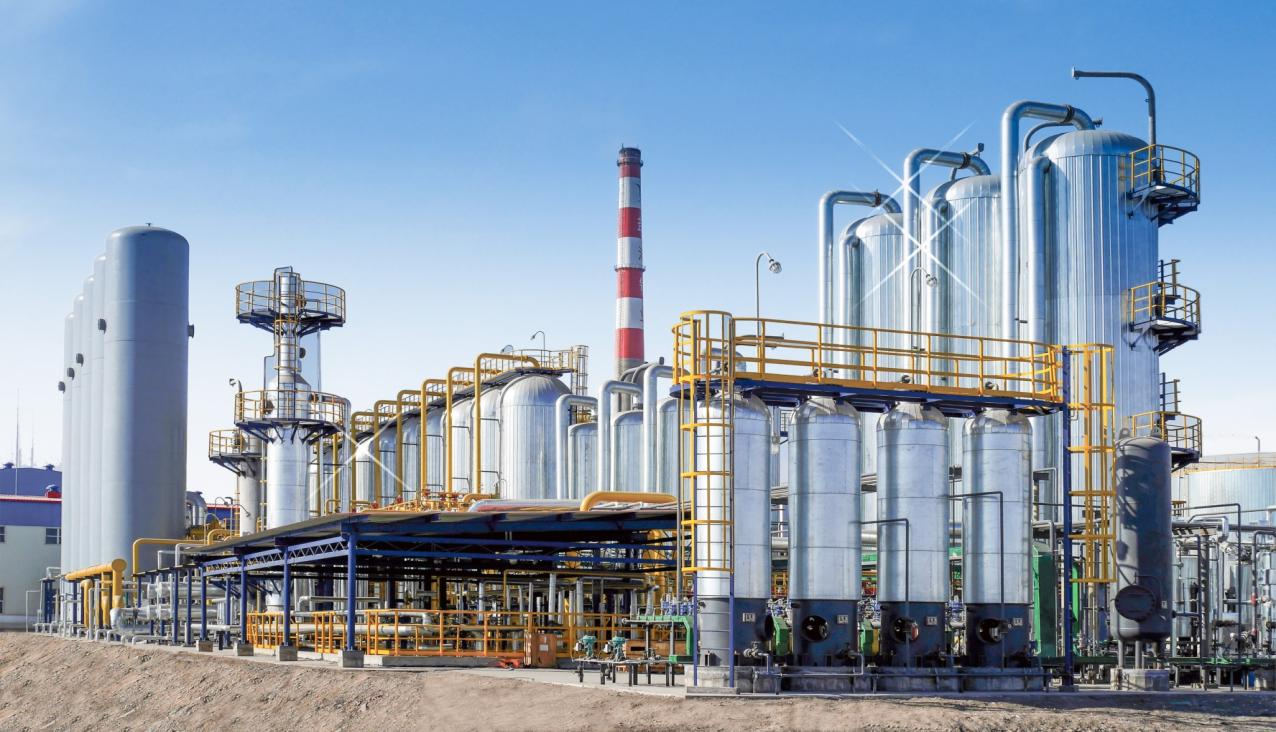
SWCHEM provides coke oven gas purification technologies for naphthalene removal and desulfurization, using dedicated adsorbents and fixed-bed dry purification processes. These technologies can be applied as single-stage or multi-stage systems according to feed gas composition and purified gas requirements.
Naphthalene Removal from Coke Oven Gas
SWCHEM’s naphthalene removal technology uses proprietary naphthalene removal adsorbents in a fixed-bed dry purification process.
The adsorbent is characterized by high selectivity and regenerability. Depending on the naphthalene content in the feed coke oven gas and the required naphthalene content in the purified gas, the process can be designed as crude purification, fine purification, single-stage purification or multi-stage purification.
| Item | Data |
|---|---|
| Naphthalene content in feed gas | 10–3,000 mg/Nm³ |
| Naphthalene content after purification | ≤ 1 mg/Nm³ |
| Regeneration gas | Purified coke oven gas, nitrogen, PSA desorbed gas, steam, etc. |
| Regeneration temperature | 120–220 °C |
| Feed gas pressure | 2–2,000 kPa(g) |
Coke Oven Gas Desulfurization
SWCHEM’s coke oven gas desulfurization technology uses high-efficiency solid desulfurization adsorbents in a fixed-bed purification process.
he technology removes H2S from coke oven gas and can be integrated with tar removal and naphthalene removal processes. It features high purification selectivity and can be configured as a single-stage or multi-stage system according to the sulfur content in the feed gas and the required H2S content in the purified gas.
| Item | Data |
|---|---|
| H₂S content in feed gas | 1-3,000 mg/Nm³ |
| H₂S content in purified gas | ≤ 0.03 mg/Nm³ |
| Feed gas pressure | 2-2,000 kPa(g) |
The purification units are controlled by dedicated controllers and instruments. Depending on the unit scale, automation level and customer control requirements, a DCS control system consistent with the customer’s main plant may be used, or a standalone PLC control system may be selected.
In addition to conventional PSA sequence control, loop control and other control functions, SWCHEM also provides specialized control strategies for fully automatic load adjustment, fault diagnosis and fault isolation.
The system can support adaptive optimization, self-diagnosis and fault isolation, improving operational flexibility and helping ensure long-term, stable and safe operation of the unit.
SWCHEM provides:
Click outside to close / Scroll to zoom

